
Stocking policy
Defines stocked items, service levels, ownership points, review cycles and replenishment rules.
Stock and call-off models shaped around usage patterns, criticality and agreed service levels.
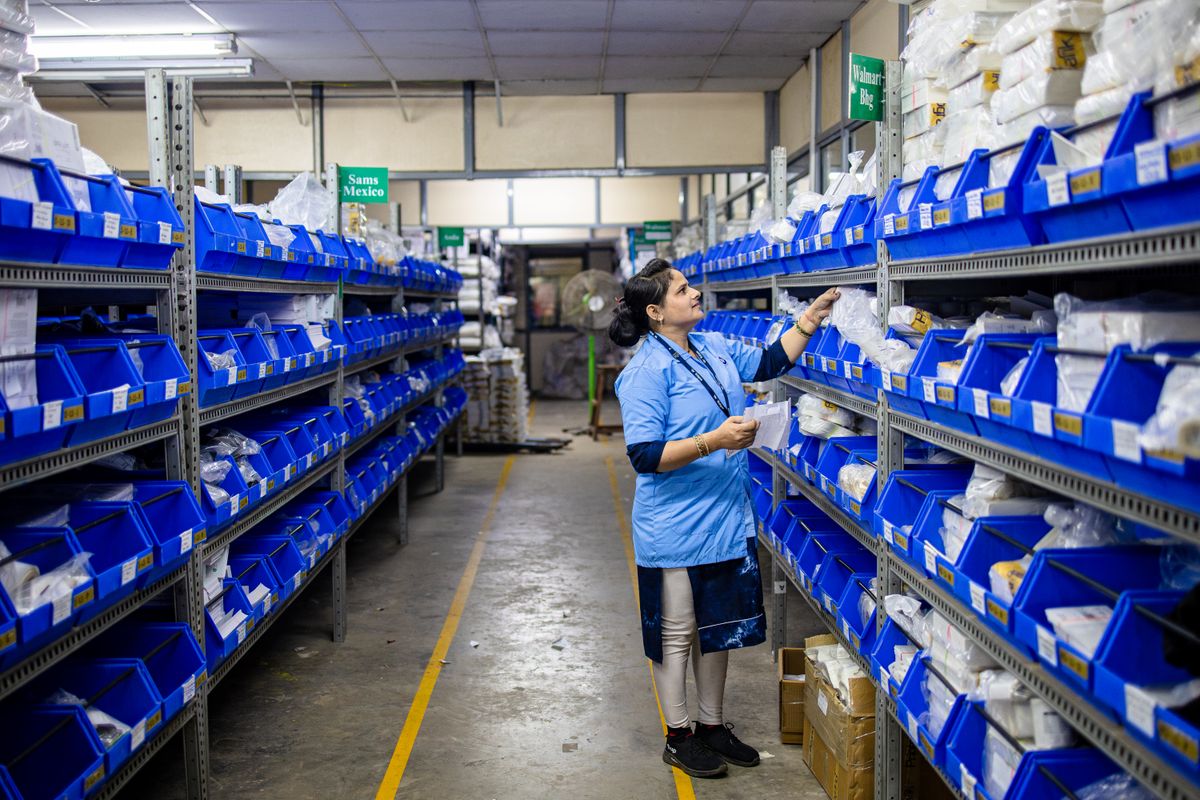
For suitable categories, CIM Supplies can coordinate buffer-stock, call-off and vendor-managed arrangements. The commercial model, ownership point, replenishment rule and service level are agreed before stock is committed.
The service is configured around the client requirement, product category, destination, approval route and delivery schedule.
Each output is maintained at the point where it supports a technical, commercial, quality or delivery decision.
Defines stocked items, service levels, ownership points, review cycles and replenishment rules.
Prioritises items by operational consequence, lead time, source concentration and substitute availability.
Sets minimum, maximum, safety stock and reorder triggers using demand and lead-time data.
Shows receipts, issues, balances, ageing, stock-outs, excess and slow-moving items.
Records contracted quantities, releases, balance, delivery date and service performance.
Identifies inactive, superseded or excess stock and recommends retention, disposal or substitution action.
Roles, approvals, evidence and milestones remain visible from the initial request through final handover.
Review demand, criticality, lead time, service level and existing stock performance.
Agree ownership, buffer stock, reorder points, call-off rules and review frequency.
Receive, identify, bin and reconcile stock against the agreed item master.
Process call-offs, allocations and dispatches with transaction-level traceability.
Trigger orders using agreed consumption, minimum-stock and lead-time rules.
Report stock-outs, excess, slow movement, obsolescence and service performance.
These services are frequently combined within the same transaction.
Source equipment, parts, materials and consumables against a verified specification, commercial requirement and delivery plan.
Learn moreRapid identification, sourcing and movement of urgent parts when equipment downtime threatens production.
Learn moreReduce the risk of incorrect, incomplete or non-conforming supply before goods move across borders.
Learn moreInclude the specification, part numbers or equipment data, quantity, delivery location and required date. Our team will identify the next information needed before quoting.